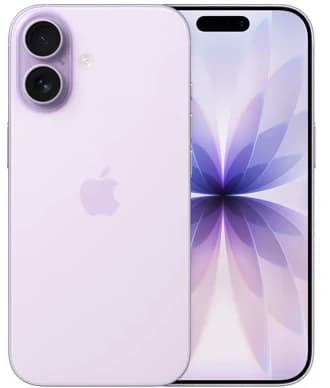
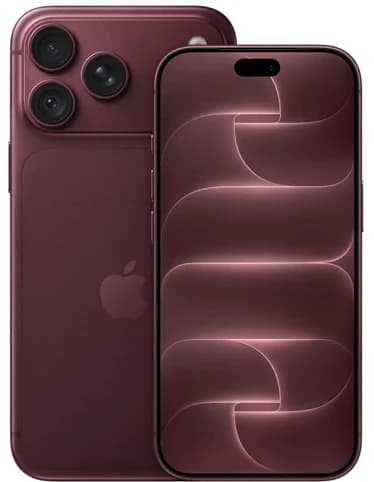
Apple did not launch a standard iPhone 18 alongside the 18 Pro this year. For now, the iPhone 17 remains Apple's mainstream 6.3-inch non-Pro iPhone, while the 18 Pro and Pro Max sit above it and Duo adds the new foldable option.
That matters because the 17 is not simply an old model we are recommending to save money. It is still the current mainstream iPhone, and for many buyers it delivers most of the experience they will notice every day for roughly $270-$300 less than the 18 Pro. The 18 Pro earns its premium when its longer battery life, stronger zoom and camera controls, or extra performance in demanding work are things you will actually use.
The unusual addition is iPhone Duo, Apple's first foldable iPhone and one of its biggest hardware changes in years. We have a separate Duo guide coming once independent testing is available.
Why we recommend iPhone 17 for most people
If you want one recommendation, start with the iPhone 17 with 256GB. We think it is the best value for most iPhone buyers because it gives you the current mainstream iPhone experience for roughly $270-$300 less than the 18 Pro, and most people will notice the difference in only a few situations.
For ordinary use, the two phones overlap more than their names suggest. Both have a 6.3-inch 120Hz Always-On display, start at 256GB, use the same 18MP Center Stage front camera, and support Apple's current AI features. Messaging, maps, browsing, social apps, streaming, and ordinary automatic photos are not where we would spend another $300.
The 18 Pro becomes much easier to justify in three cases.
First, battery life is meaningfully better, and the difference is large enough to change our recommendation. In Tom's Guide's standard web-browsing test, the iPhone 17 lasted 12 hours 47 minutes, while the 18 Pro lasted 16 hours 17 minutes. That's 3 hours 30 minutes longer. The Air, 17e, 16, and 17 all land in roughly the same 12–13 hour range in the comparable tests we are using. If battery life is one of your top priorities and you are already buying a new phone, we would start with the 18 Pro, not the 17. If you want the longest battery life available in the current lineup, choose the 18 Pro Max.
Second, the camera changes what you can shoot. The 17 covers 0.5x, 1x, and 2x and is the better-value choice if you mostly leave the camera on automatic. The 18 Pro adds a dedicated 4x telephoto with 8x optical-quality zoom, plus variable aperture and manual camera controls. That matters more for distant subjects, tighter framing, or people who already know they want more control over how a photo or video is captured.
Third, the 18 Pro is built for heavier sustained work. If long gaming sessions, frequent video editing, or other demanding workloads are normal for you, the extra performance is easier to justify. For normal app use, we would put the money elsewhere.
Apple advertises the iPhone 17 from $899 with qualifying carrier activation; the connect-later price is currently $929. The iPhone 18 Pro starts at $1,199. If none of the battery, camera, or heavy-use differences above changes how you would use the phone, we recommend the 17 and keeping the savings.
If you plan to keep the next phone for four or five years, paying more for the newest generation can still be a reasonable preference.
What does the extra money actually buy?
For ordinary use, the two phones overlap more than their names suggest.
iPhone 17
iPhone 18 Pro
What feels the same
- Both have a 6.3-inch 120Hz Always-On display, start at 256GB, use the same 18MP Center Stage front camera, and support Apple's current AI features.
- Messaging, maps, browsing, social apps, streaming, and ordinary automatic photos are not where we would spend another $300.
- If none of the battery, camera, or heavy-use differences below changes how you would use the phone, we recommend the 17 and keeping the savings.
Where the extra cost can make sense
Tom's Guide battery test: 16:17 vs 12:47
+3h 30m
If battery life is one of your top priorities and you are already buying a new phone, we would start with the 18 Pro, not the 17.
Camera difference in real use
The extra camera hardware matters only if it changes what you actually shoot.
Everyday zoom
iPhone 17
0.5x / 1x / 2x shooting
iPhone 18 Pro
Adds a dedicated 4x telephoto and 8x optical-quality zoom
That matters more for distant subjects, tighter framing, or situations where you cannot simply move closer.
Control
iPhone 17
Point, shoot, and let the phone decide
iPhone 18 Pro
Variable aperture and manual Camera controls
This matters if you already know you want more control over how a photo or video is captured.
If long gaming sessions, frequent video editing, or other demanding workloads are normal for you, the extra performance is easier to justify. For normal app use, we would put the money elsewhere.
Battery figures are the Tom's Guide test results: iPhone 17 12:47 and iPhone 18 Pro 16:17.
Sumi-chan shortcut: what are you paying extra for?
Think of the 17 as the value choice and 18 Pro as the specialist choice. Everyday use is much closer than the price suggests. Battery is the big exception. If battery life is a top priority, the jump from roughly 12–13 hours on Air/17e/16/17 to 16:17 on 18 Pro is large enough that we would start with Pro.

What iPhone do you have now?
Tell us which iPhone you have now so we can tailor the recommendation. If you usually keep a phone for four or five years, starting your next long stretch with the newest hardware may matter more to you. If you replace your phone every two or three years, the iPhone 17's lower price can be more attractive because you are likely to shop again sooner.
Best place to start
For most people, start with iPhone 17.
Choose your current phone and we will narrow the recommendation.
See recommendations for every iPhone
iPhone 17 owner
Keep iPhone 17
You already own Apple's current mainstream iPhone. Keep it unless a specific camera, battery, screen-size, or heavy-use need gives you a reason to change.
iPhone 17 Pro or Pro Max owner
Keep your current Pro
Keep it if you are happy with the camera and battery. One generation is a small practical jump for most owners.
iPhone 16 Pro or Pro Max owner
Keep your current Pro
A healthy 16 Pro remains strong. The 18 Pro matters mainly for the new camera controls, meaningfully better battery life, or starting another long ownership cycle with the newest Pro.
iPhone 16, 16 Plus, or another standard owner
iPhone 17
The general-use jump is not large enough to make replacement the default. If you are replacing it anyway, start with iPhone 17.
iPhone 15 or 15 Plus owner
iPhone 17
Start with iPhone 17. Move to 18 Pro only when battery life, camera controls, zoom, or demanding work justify the extra cost.
iPhone 15 Pro or Pro Max owner
iPhone 18 Pro
If you are replacing now, start with 18 Pro. It keeps the dedicated telephoto and Pro camera controls while adding several generations of battery, performance, and camera improvements.
iPhone 14 or 14 Plus owner
iPhone 17
Start with iPhone 17. It captures the mainstream improvements for much less than 18 Pro.
iPhone 14 Pro or Pro Max owner
iPhone 18 Pro
If you are replacing now and want to keep the dedicated telephoto and Pro camera controls, start with 18 Pro. Choose 17 if those Pro-specific features no longer matter to you.
iPhone 13 or older standard owner
iPhone 17
Start with iPhone 17. It is a large generational upgrade without paying the Pro premium; consider 18 Pro only for a specific battery, camera, large-screen, or demanding-work need.
iPhone 13 Pro or older Pro owner
iPhone 18 Pro
If you are replacing now, start with 18 Pro if you want to keep the telephoto and Pro camera controls. It also starts your next long ownership cycle on the newest Pro generation.
Android or other phone owner
iPhone 17
Switching from Android does not mean you need an iPhone Pro. Start with iPhone 17, then consider 18 Pro only if you specifically want its telephoto and camera controls, maximum battery life, or extra performance for demanding games and video work.
Already have a 17 Pro? You can probably keep it
For most 17 Pro owners, performance alone is a weak reason to upgrade. Battery life improved more clearly, while the biggest new camera change is the added control over how you shoot.
Graphics stress-test stability
Higher is better. This is a sustained stress-test result, not a general speed score.
+1.7 percentage points
Battery
Longer is better, but the practical question is whether your 17 Pro already gets through your day.
+56 min
Graphics stability is shown on a 0–100% scale. Higher is better; the 1.7 percentage-point change is intentionally shown without an inflated visual. The Tom's Guide iPhone 18 Pro and Pro Max review reports 61.1% for 17 Pro and 62.8% for 18 Pro, plus 15h 21m and 16h 17m in its battery test.
What actually changes in the camera?
Main rear cameras
iPhone 17 Pro
Three 48MP rear cameras
iPhone 18 Pro
Three 48MP rear cameras
The basic three-camera setup is already present on 17 Pro.
Zoom
iPhone 17 Pro
4x telephoto and 8x optical-quality zoom
iPhone 18 Pro
Same zoom range
The zoom range is the same on both phones.
Camera controls
iPhone 17 Pro
Existing Pro camera controls
iPhone 18 Pro
Variable aperture + expanded manual controls
This is the meaningful camera upgrade if you actually use these controls.
Recommendation
If you normally leave the camera on automatic and the 17 Pro battery still gets you through the day, we recommend keeping it. Consider the 18 Pro if the new camera controls are something you will use, the extra battery matters to your routine, or you simply prefer to start a long ownership cycle with the newest generation.
Trade-in can lower the cost, but it should not create the reason to upgrade
Up to $785 U.S. trade-in estimate · checked Sep 27, 2026Apple's U.S. Trade In estimate captured September 27 was up to $785 for iPhone 17 Pro. The final value depends on the exact device and its condition. Use the estimate to understand the cost of switching, not as a reason to upgrade on its own. Check the current U.S. estimate.
iPhone 17e, 16, or 17?
For most people, start with the iPhone 17. Choose the 17e when keeping the price down matters most. The iPhone 16 is worth considering only for a specific feature or a much better sale price.
Lowest price
iPhone 17e
from $699
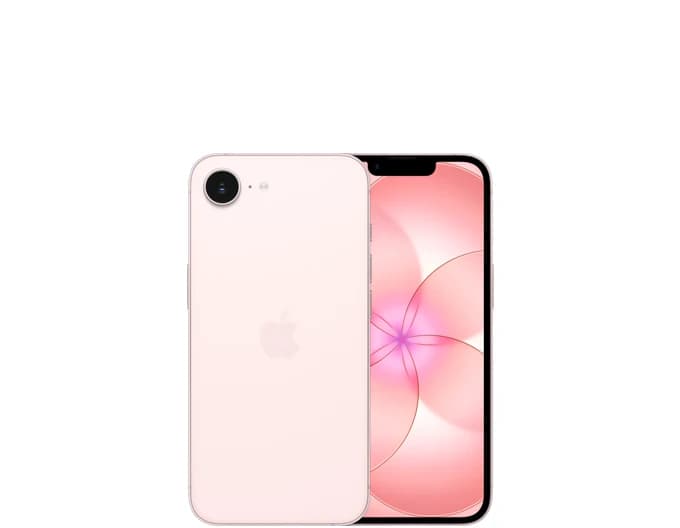
Apple's cheapest current iPhone, with 256GB. Spend more on the 17 when its better display and cameras are worth the $200–$230 difference.
Only for specific needs
iPhone 16
from $799
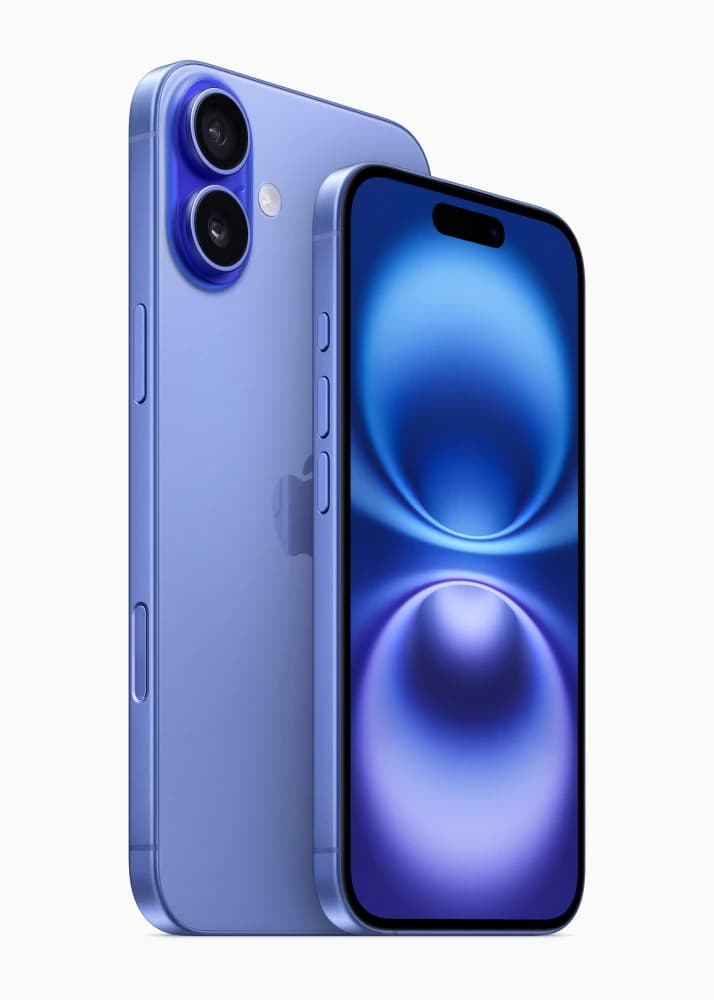
Consider it if the 17 is outside your budget and you specifically want the Ultra Wide camera, Camera Control, or Dynamic Island that the 17e lacks—or if you find it at a much lower sale price.
Best value for most people
iPhone 17
$899 / $929
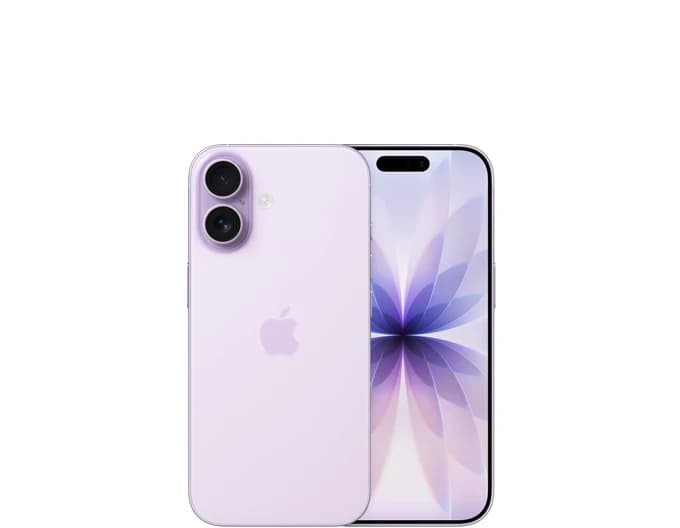
If it fits your budget, this is the model we recommend for most people. It gives you the current 120Hz display and stronger camera setup without paying for the Pro features many buyers will not use.
If the battery is the problem, check the repair price first
If your current iPhone still does everything you need but the battery no longer lasts through the day, check the battery-replacement price before buying a new phone. Many recent older U.S. iPhones cost roughly $89–$119 for battery service, and eligible AppleCare battery service can be $0 under the applicable condition.
If you are replacing the phone anyway, then compare the battery life of the new models. That is a separate decision from whether your current battery is worth repairing.
Battery replacement costs far less than a new phone
If the battery is the only problem, repairing it can solve the issue for a fraction of the price of a new iPhone.
Repair first
Battery service
$89–$119
Roughly $89–$119 for many recent older U.S. iPhones. Eligible AppleCare service can be $0 under applicable conditions.
Replace
New iPhone 18 Pro
from $1,199
From $1,199 before trade-in. This only makes sense when the phone itself solves a need, not just when the battery is old.
If you are still happy with the rest of the phone, repair it. If you already have other reasons to replace it, compare the new models below.
Service prices vary by model, damage, market, and coverage. Confirm the current quote with Apple repair service before acting.
Back up your iPhone before service
Apple says an iPhone may be erased during service. Make a current backup before handing it over, and make sure you can still sign in to your Apple Account and access any important recovery or two-factor-authentication methods.

How much battery life do you get with a new iPhone?
In the comparable Tom's Guide tests, Air, 17e, 16, and 17 all lasted about 12–13 hours. The 18 Pro reached 16:17, while Pro Max lasted 18:27.
About 12–13 hours
These four are close enough that battery alone is not a strong reason to choose between them.
18 Pro: a big jump
The 16:17 result is large enough to change the recommendation for battery-focused buyers.
Pro Max: the longest
Choose it when maximum battery life matters more than the extra size and weight.
Air, 17e, 16, and 17 are close enough that battery alone should not decide between them. The larger differences start with 18 Pro.
These are independent test results, not Apple battery claims. The Tom's Guide iPhone 17 battery comparison supports the Air, 16, and 17 figures; its iPhone 17e review supports 17e; and the iPhone 18 Pro and Pro Max review supports the Pro figures. 16 Pro, 17 Pro, and Duo are intentionally excluded because this new-buy comparison needs comparable independent testing.
iPhone 18 Pro or Pro Max?
They use the same chip and cameras. The main differences are screen size, weight, battery life, and price.
Same on both
- Same cameras and manual controls
- Same chip and performance
- Choose between them for size and battery, not speed
iPhone 18 Pro
iPhone 18 Pro Max
Extra weight
+38g
Heavier in your hand and pocket
Extra battery
+2h 10m
2h 10m longer in this test
Extra price
+$100
Before trade-in
How much storage should you buy?
256GB — start here
$1,199
Best fit for cloud-friendly everyday use.
- Good for normal apps/games when you do not keep a large video library or many huge files downloaded.
512GB — +$200
$1,399
Consider it if you keep lots of games or downloaded media, shoot more video, or regularly run low on storage.
1TB / 2TB — +$600 / +$1,200
$1,799 / $2,399
For large video projects or other big files kept on the phone;
- frequent offline work;
- keeping originals on-device for privacy/control;
- deliberately avoiding cloud-storage subscriptions.
Still between 256GB and 512GB?
Use your current storage only as a tie-breaker. If your current phone still has plenty of free space and you already keep photos in the cloud, 256GB is probably enough. If you regularly run low on space or keep large files downloaded, consider 512GB.

Switching from Android? Check your watch and accessories first
If you are moving from Android and are not sure which iPhone to buy, we would still start with the iPhone 17 256GB. Switching platforms does not make the Pro features more necessary; the same questions about camera, screen size, battery, and price still apply.
Apple's Move to iOS app can transfer contacts, message history, photos and videos, files, calendars, and WhatsApp content. iPhone also supports RCS with Android where the carrier and region support it.
Your smartwatch may be the biggest extra cost. Pixel Watch does not support iPhone, and Samsung's current Galaxy Watch generations do not support iOS. If you rely on one every day, include a replacement watch in the real cost of switching.
Consider the 18 Pro instead of the 17 when battery life is a top priority, when better zoom or manual camera controls are part of why you are changing phones, or when you regularly play demanding games or edit video. In Tom's Guide's comparable web-browsing tests, the 18 Pro lasted about 3½ hours longer than the 17, so battery alone can justify moving up. For everyone else, the 17 is still the better place to start.
If you want the newest iPhone
If Apple's newest iPhone is what you want, 18 Pro is a good place to start. Consider Pro Max when you also want the biggest screen and longest battery in the Pro line.
If you enjoy new hardware or only upgrade every four or five years, paying more for the newest generation can be worthwhile even when the immediate advantage over the 17 is modest.
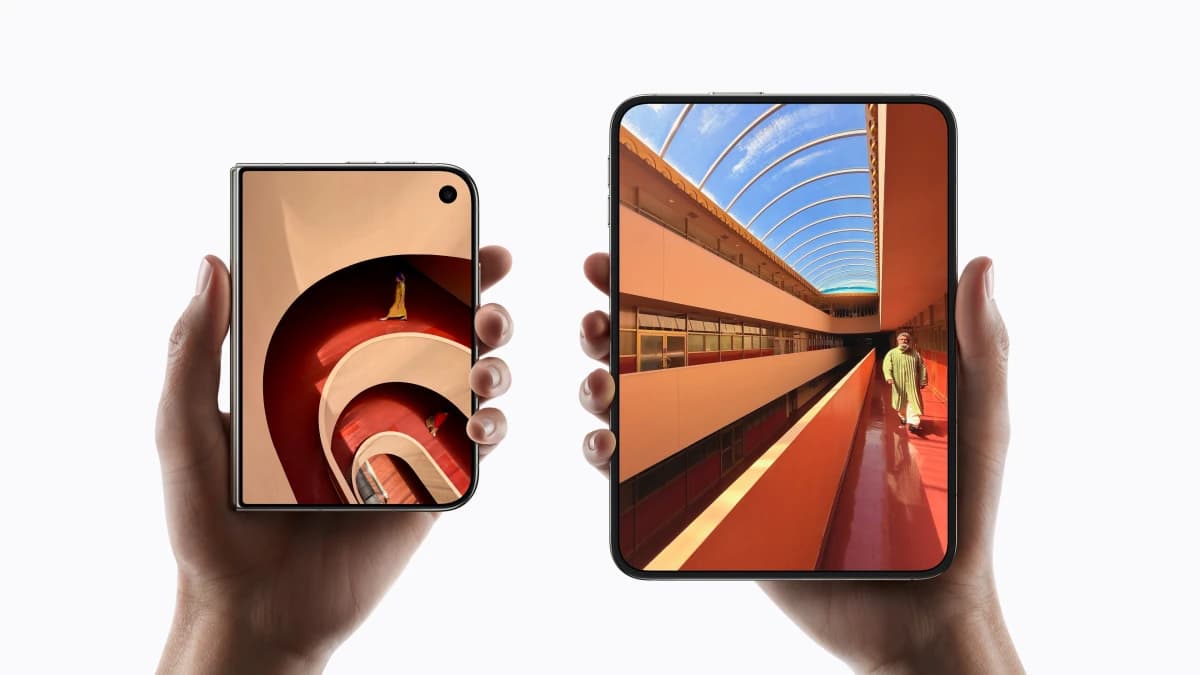
If "newest" means the biggest change in how the phone works, Duo is the more unusual option. Its 7.6-inch folding inner display is built for reading, multitasking, and a tablet-like view that fits in a pocket.
Duo starts at $1,999 and is Apple's first foldable iPhone. Long-term hinge and inner-display reliability will take time to establish. We recommend it mainly to early adopters who actively want the folding screen and are comfortable buying before that long-term evidence exists.
Apple says USB-C Apple Pencil support is coming later in 2026.
iPhone Air: for people who really value a lighter phone
The Air is worth considering if 165g and a 5.64mm body make a large phone noticeably nicer for you to carry. It gives you a 6.5-inch 120Hz display while weighing far less than the Pro Max.
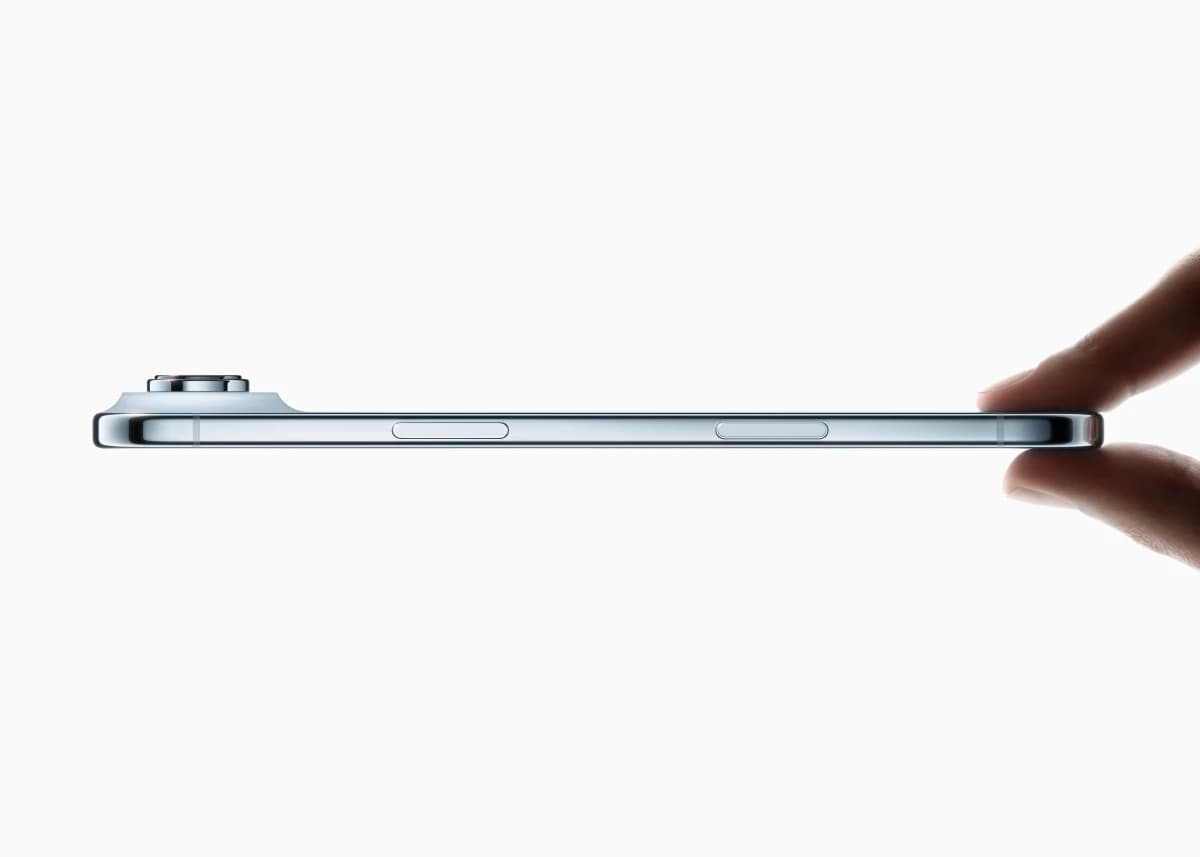
At $1,099, Air sits between the 17 and 18 Pro. We recommend it when a thin, light phone is something you will appreciate every day.
The tradeoff is the camera and battery. Air has one rear camera, while the 18 Pro costs only $100 more and gives you the full three-camera setup. If camera choice or longer battery life matters more than low weight, look at the 17 or 18 Pro instead.
Because the whole point of Air is how it feels to carry, try it in person if you can.
Buying an iPhone as a gift
An iPhone is a generous gift, but size, color, storage, and camera preferences are personal. For an adult partner or family member, choosing it together is often better than guessing unless the surprise itself matters more.
Partner / spouse
If you know they want an iPhone but not which one, iPhone 17 256GB is a safe place to start. If they care a lot about photography, gaming, or a large screen, involve them in the Pro or Pro Max choice because size and weight are hard to choose for someone else.
Child / teenager
Start with 17e 256GB when budget matters most, or 17 256GB when the better display and cameras are worth another $200-$230. A Pro makes more sense for a specific interest such as photography, video, or demanding games than simply because the recipient is older. Budget for a case and set up Find My, backup, account recovery, and any appropriate family controls.
Parent / grandparent
Start with iPhone 17 256GB and prioritize a familiar size, readable screen, battery life, and accessibility settings. A larger model can help when the recipient prefers larger text and controls, but make sure they are comfortable with the extra size and weight. Set up account recovery and backup before you hand it over.
When waiting makes sense
Waiting is a good option when your current phone still does what you need. We would be comfortable waiting if:
- you own a 17 Pro / Pro Max and are happy with the camera and battery;
- a battery replacement would solve the main problem with your current phone;
- Duo interests you, but you want independent battery and durability testing first;
- none of this year's camera, performance, battery, or design changes feels important enough for the price.
Apple has not announced a regular iPhone 18 or a launch date for one. If that is the model you are hoping for, waiting for official details is reasonable. If the current iPhone 17 already suits you, there is no need to plan a purchase around an unannounced product.
The recommendation in one minute
If you want one answer, start with the iPhone 17 256GB. It covers the everyday features most buyers care about without adding the cost of telephoto, manual camera controls, and extra performance that many people will not use.
Consider the 18 Pro when you will use the telephoto camera or manual camera controls, regularly run demanding games or video work, or simply value starting your next ownership cycle with Apple's newest generation. The Pro Max adds the larger screen and longer battery.
If you are down to two models, susume should let you continue the comparison with your current phone, priorities, and budget already filled in.